About
I am currently working as a Senior Software Engineer at u-blox in Zürich, Switzerland and have just published my first Computer Vision paper at IEEE ICIP. I graduated with a double degree in Computer Science and Engineering at Polytechnic University of Milan and Wrocław University of Science and Technology. I am always seeking new challenges and opportunities to grow.
Work Experience
u-blox
- Promoted to Senior Software Engineer in January 2026.
- Leading the design and full-stack development of a global GNSS monitoring platform (C++ backend, React/TypeScript frontend, secure AWS cloud) for real-time data collection, NTRIP corrections, cloud logging, and live visualization across monitoring stations worldwide.
- Developing and maintaining thread-safe C++ HAL drivers for market-leading GNSS receivers on Android and Windows, adding SUPL/AGNSS support, ensuring CTS/VTS compliance, and automating test infrastructure with Ansible.
- Active member of the AI Center of Competence, building a local RAG system for information retrieval over u-blox protocol specifications.
- Delivering internal training sessions on applied LLMs, covering RAG, local agentic coding, inference optimization, and MCP servers.
Imagination Technologies
- Designed and implemented a mobile GPU simulator based on the gem5 project within a two-person research team.
- Developed and maintained high-performance GPU simulation models in SystemC for PowerVR graphics processors.
Nokia
- Implemented and maintained the baseband service for new 5G solutions in C++ and Python within an R&D unit.
- Became the go-to engineer for domain testing, delivering pytest-based framework improvements with measurable performance gains acknowledged at functional-area level.
Intel
- Developed driver software for the cutting-edge Infrastructure Processing Unit (IPU ASIC E2000), an Intel and Google Cloud collaboration.
- Recognized by management for developing unit, component, and integration tests with the Google Test framework.
- Verified software correctness and system behavior using the Simics virtual platform.
Education
Polytechnic University of Milan
Faculty of Electronics, Information and Bioengineering, Double Degree Program with Wrocław University of Science and Technology.
Thesis: "SE3D: A Framework for Saliency Method Evaluation in 3D Medical Imaging".
Wrocław University of Science and Technology
Specialization: Applied Computer Engineering in Medicine, Faculty of Information and Communication Technology. Graduated with Excellent (A+).
Thesis: "Deep Learning Model for Object Detection in Medical Imaging".
Wrocław University of Science and Technology
Specialization: Applied Computer Engineering in Medicine, Faculty of Electronics.
Thesis: "Story Maker: Mobile Application for Automatic Generation of Video Stories Based on Files Specified by the User".
Autonomous University of Madrid
Computer Science Engineering, Faculty of UAM Polytechnic School.
Skills
A concise map of the domains I work across, from embedded systems to applied AI and product delivery.
Systems & Embedded
Embedded C/C++, hardware-adjacent software, build systems, and production constraints.
AI / ML
Modeling, medical imaging, saliency methods, and applied NLP.
Web & Mobile
Typed interfaces, product UI, and cross-platform applications.
Cloud & DevOps
Reliable delivery, automation, observability, and cloud tooling.
Databases
Relational and serverless storage for product data workflows.
Check out my latest work
I've worked on a variety of projects, including computer vision, natural language processing, algorithmic optimization, and mobile development. Here are some of my favorites.
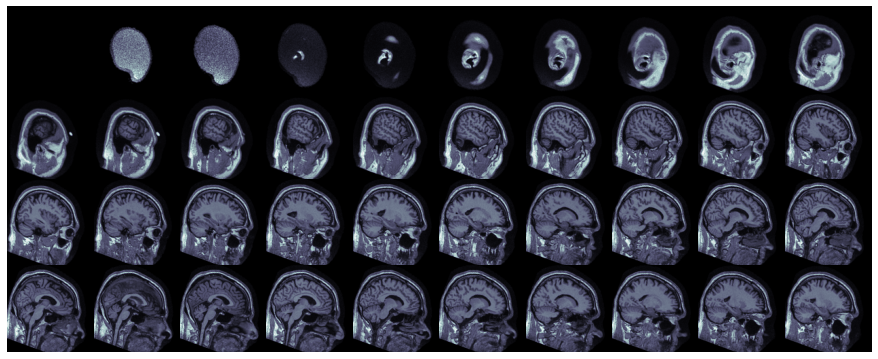
Weakly Supervised Alzheimer's Disease Detection from 3D MRI Scans
A proof-of-concept weakly-supervised 3D CNN model for Alzheimer's disease detection from 3D MRI scans. The model uses 3D Grad-CAM to generate masks corresponding to regions affected by the disease.
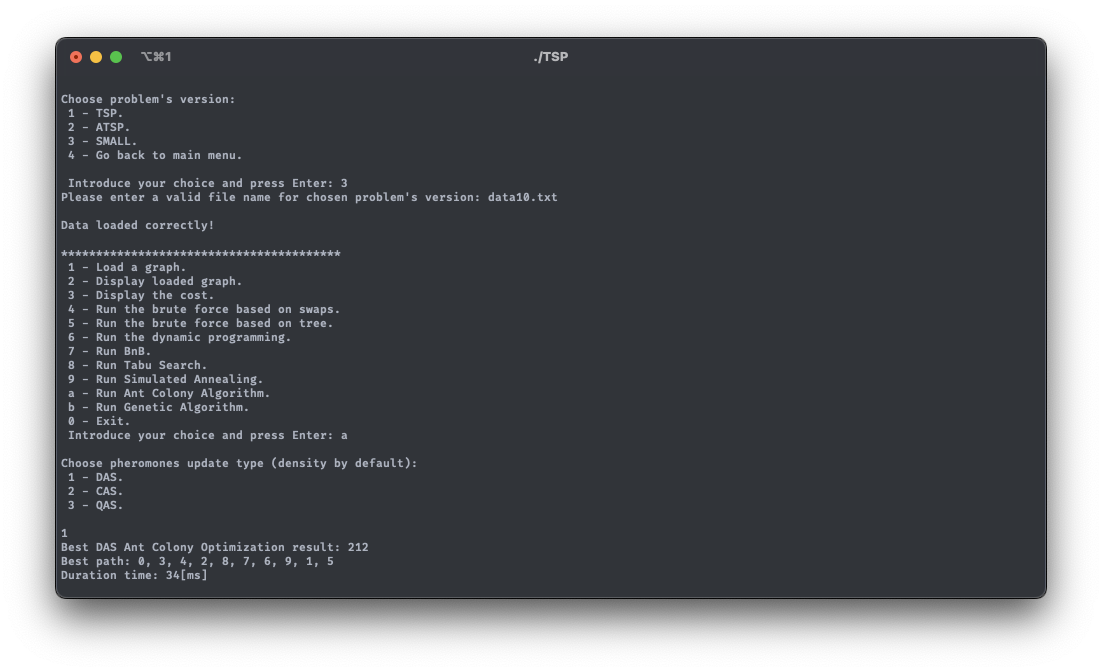
Travelling Salesman Problem
A C++ program solving the Travelling Salesman Problem using exact, local search, and population-based algorithms.
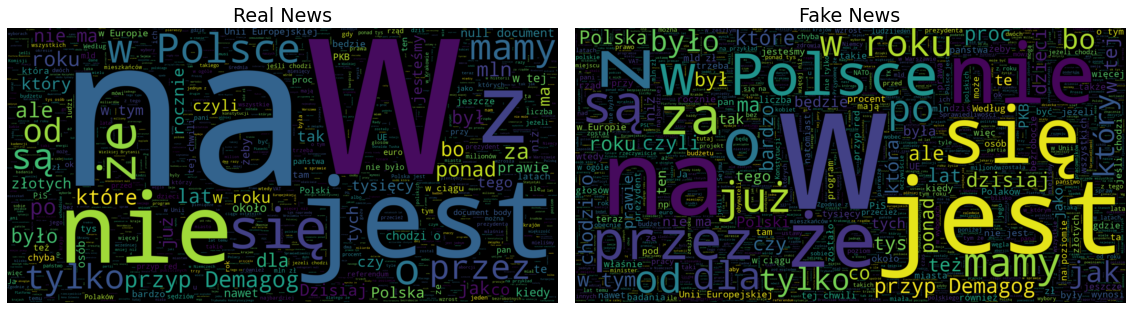
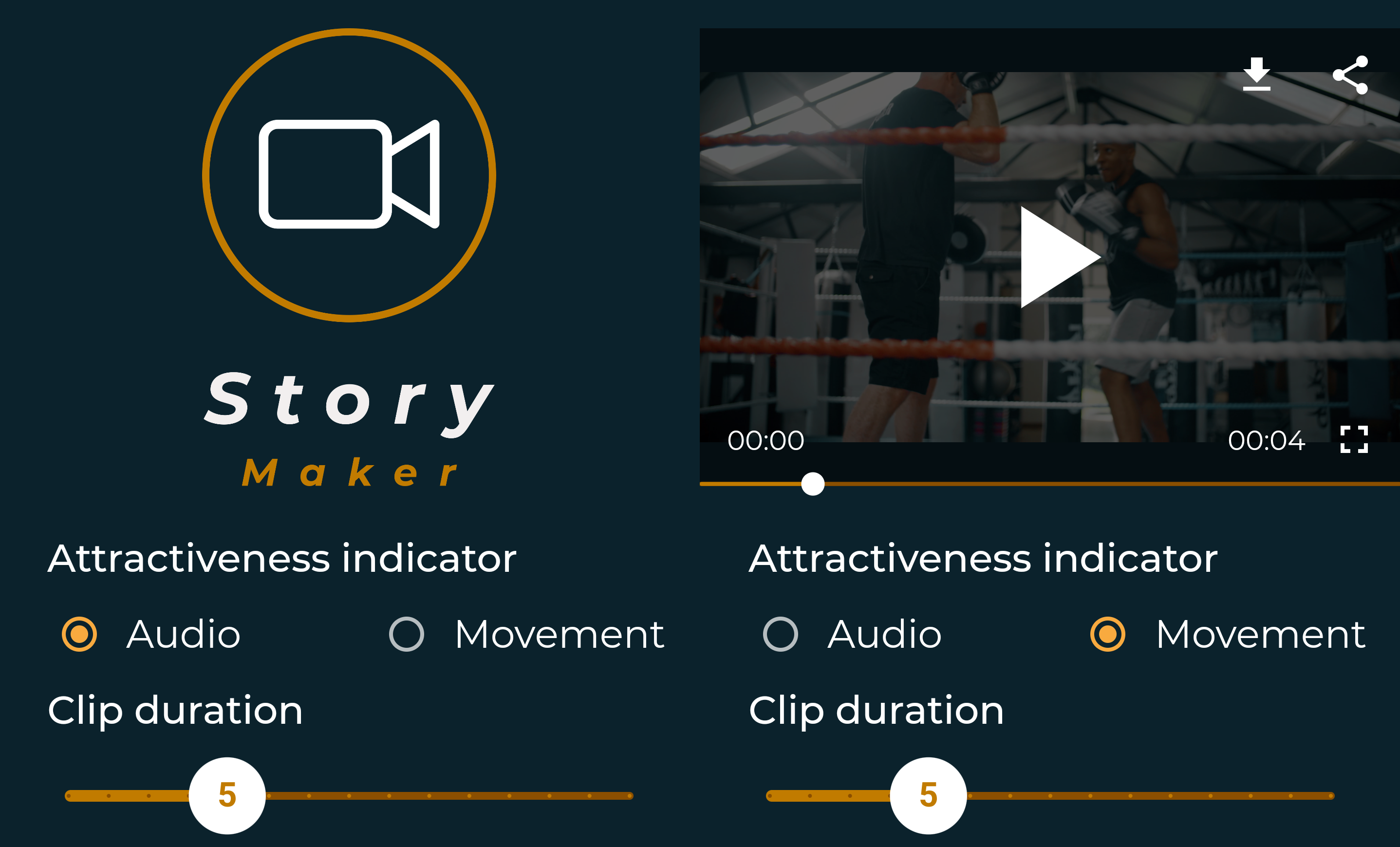
Story Maker
A mobile application written in Flutter for both iOS and Android platforms. The app automatically generates short, story-like videos by selecting the best moments from user-specified files.
I love research
Till date, I have published 1 paper in a top-tier conference. It is a great way to share my research with the community and get feedback from experts. I hope to continue this trend in the future.
- S
IEEE ICIP
SE3D: A Framework For Saliency Method Evaluation In 3D Imaging
Abu Dhabi, United Arab Emirates
Paper introduces new metrics to evaluate saliency methods for 3D CNNs and modifies ShapeNet, ScanNet, and BraTS datasets for benchmarking. The analysis reveals current 3D saliency methods fall short in performance, highlighting the need for advancements in the field.